
Why Your Furnace Won’t Stop Running
A Winnipeg Homeowner’s Guide
Why Is Your Furnace Running Constantly?
It’s normal for your furnace to work hard during a Manitoba cold snap, but it shouldn’t feel like it’s running non-stop no matter the weather. When that happens, it usually means something simple is off — like a thermostat setting, airflow restriction, or dirty component. A furnace that never shuts off doesn’t necessarily mean it’s broken, but it does mean it’s wasting energy and wearing itself out faster. Understanding a few common causes can help you spot the problem early before it turns into an expensive repair.
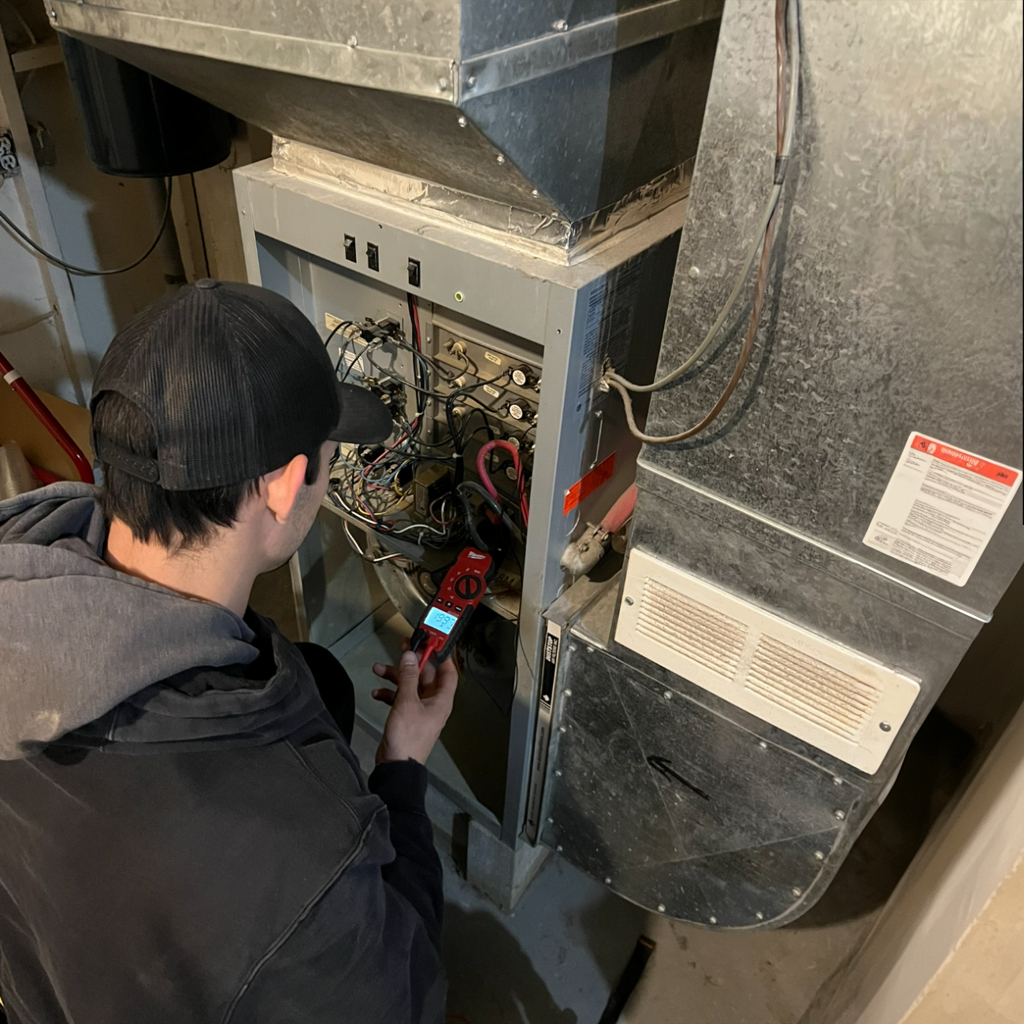
How Dirty Filters Lead to Constant Furnace Cycling
When your furnace filter becomes clogged, it slows the flow of air through the system. That lack of airflow causes the furnace to work harder and stay on longer just to maintain temperature. Over time, this can lead to overheating and higher energy use.
Here are some common effects of a dirty furnace filter:
Restricted airflow that prevents warm air from circulating properly.
Overheating that forces safety sensors to shut off the burners early.
Extra strain on the blower motor from extended run times.
Increased energy use because the system never gets a full break.
Uneven Heating? Check for Blocked Vents
Uneven temperatures between rooms are often blamed on the furnace, but the problem usually starts with airflow. When vents are blocked or ducts are leaking, heated air can’t reach certain areas effectively. In many homes, up to 20% of warm air is lost through duct leaks before it ever reaches the vents. Even small gaps or obstructions make the furnace run longer to balance temperatures, which wastes energy and increases wear on the system.
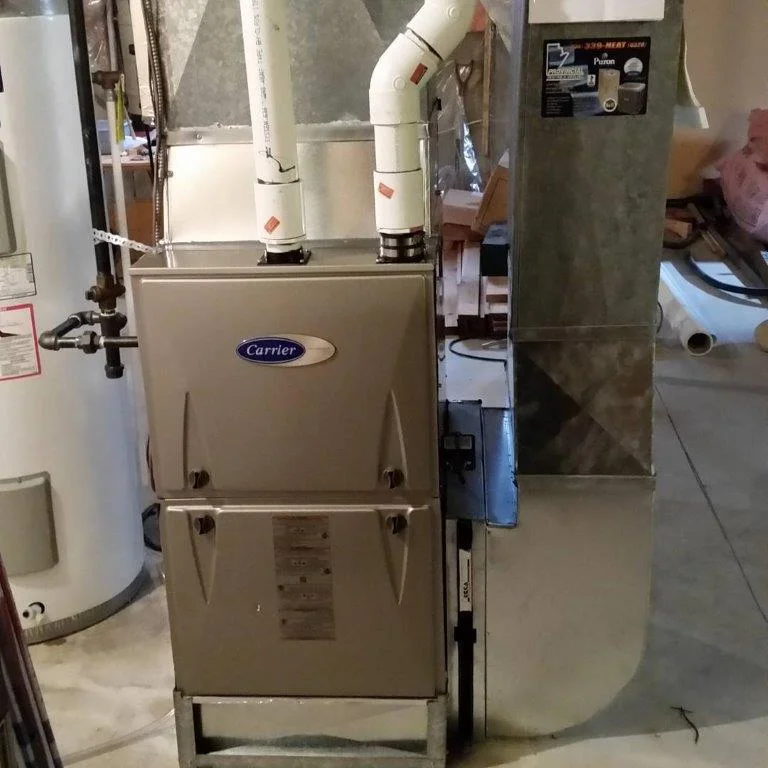
How Outdoor Temperature Affects Furnace Run Times in Winnipeg
During a brisk Manitoba winter, it’s normal for your furnace to run longer than usual. However, when outdoor temperatures are milder and your furnace still runs nearly nonstop, that’s a sign something else may be wrong.
The difference between “normal” long cycles and “problem” long cycles can be subtle. If your furnace seldom shuts off even on 0 °C days—when good insulation and windows should keep up—it’s time to check filters, vents, or system sizing, or call a professional to take a look.
Heat Loss in Your Home: What to Look For
When a home loses too much heat, the furnace ends up running longer to keep up. Even a system in perfect condition can struggle if the warm air it produces is constantly escaping. Identifying and fixing these heat loss areas helps your furnace cycle normally and lowers overall energy use.
Common areas where heat loss occurs:
Attic insulation: Thin or settled insulation lets heat rise and escape quickly.
Windows and doors: Drafts and poor seals leak warm air and pull cold air in.
Exterior walls: Air gaps and missing insulation let heat transfer through easily.
Ductwork: Leaky ducts can lose up to 20% of heated air before it reaches the vents.
Basements and crawl spaces: Uninsulated areas underneath the home act like cold sinks in winter.
Even small improvements in these areas can shorten furnace run times and make your home feel more evenly heated.
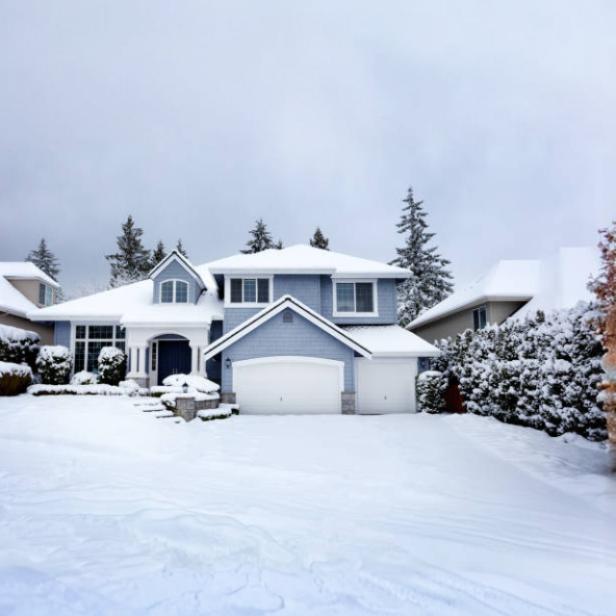
Is Your Furnace the Right Size for Your Home?
Every home has its own heating needs, and furnace size plays a big role in comfort and efficiency. If a furnace is too small, it will run constantly trying to reach the set temperature.
Approximate furnace sizes by home size:
Up to 1,200 sq ft: 40,000–60,000 BTU
1,200–2,000 sq ft: 60,000–80,000 BTU
2,000–2,600 sq ft: 80,000–100,000 BTU
It’s important not to oversize “just in case.” Oversizing reduces comfort and can shorten equipment life by causing short cycling — a problem that wastes energy and puts unnecessary wear on the system.
Regular Furnace Maintenance helps Constant Cycling
Routine maintenance keeps your furnace efficient and helps catch small issues before they cause long run times. When a system is cleaned and adjusted properly, it doesn’t have to work as hard to maintain the temperature in your home.
Replace filters regularly to maintain unrestricted airflow.
Inspect and clean the blower assembly so air moves evenly through the ducts.
Check burner performance and ignition systems to make sure the furnace is burning cleanly.
Verify thermostat calibration for accurate temperature readings.
Test airflow and duct pressure to detect hidden blockages or leaks.
A yearly inspection can extend the life of your equipment and help you avoid expensive repairs during the coldest months.
How CountryPro Handles Constant Cycling
A furnace that runs constantly isn’t always a major problem — but it’s always a sign that something needs attention. The cause could be as small as a dirty filter or as complex as heat loss through ducts or insulation.
Every home is a little different, and the right fix depends on how your system was built and what condition it’s in. If you’ve noticed your furnace working harder than usual, CountryPro can take a look and help bring your heating system back to balance.