
What makes heat pumps so efficient?
A Winnipeg Homeowner’s Guide
Heat Pumps Are Changing HVAC in Manitoba
If you live in Manitoba, you may have noticed more people talking about heat pumps lately. That interest has grown because homeowners want lower heating bills without sacrificing comfort. Heat pumps work in a very different way than electric furnaces, which is why so many people are starting to pay attention. In the next sections, we’ll look at how they actually work and why they’re becoming a popular choice for Winnipeg homes.
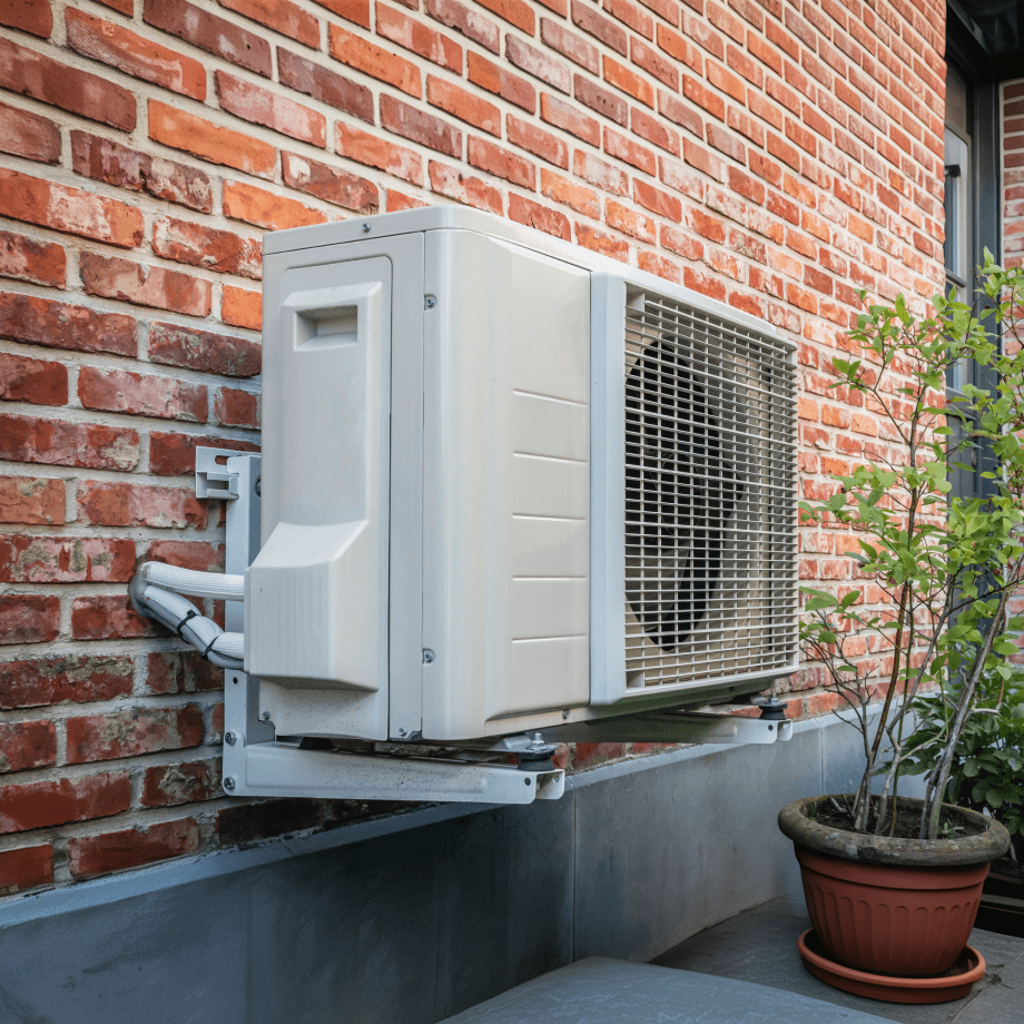
Reusing Heat from Outdoors Even When It Feels Cold
It seems impossible that a unit outside your home can pull heat from freezing air, yet that is exactly what a heat pump does. The refrigerant inside the system is designed to absorb heat energy at low temperatures and carry it indoors, which is why the technology works even in Canadian winters.
What actually happens during that process:
The outdoor unit absorbs heat from the air using refrigerant.
That refrigerant is compressed, which increases its temperature.
The warmed refrigerant transfers heat into your home through the indoor coil.
Because the system moves heat instead of generating it, a heat pump can warm a home using far less electricity than an electric furnace. That simple transfer explains why they continue to gain attention across Manitoba.
heat Pumps Deliver Both Heating and Cooling
A heat pump does more than heat your home in winter. In warmer months, the process reverses and the same unit pulls heat out of your house to keep it cool. Instead of needing separate equipment for each season, one system continuously moves heat in or out depending on what your home needs. That versatility is one of the reasons heat pumps are gaining traction in Winnipeg, where temperature swings can be unpredictable.
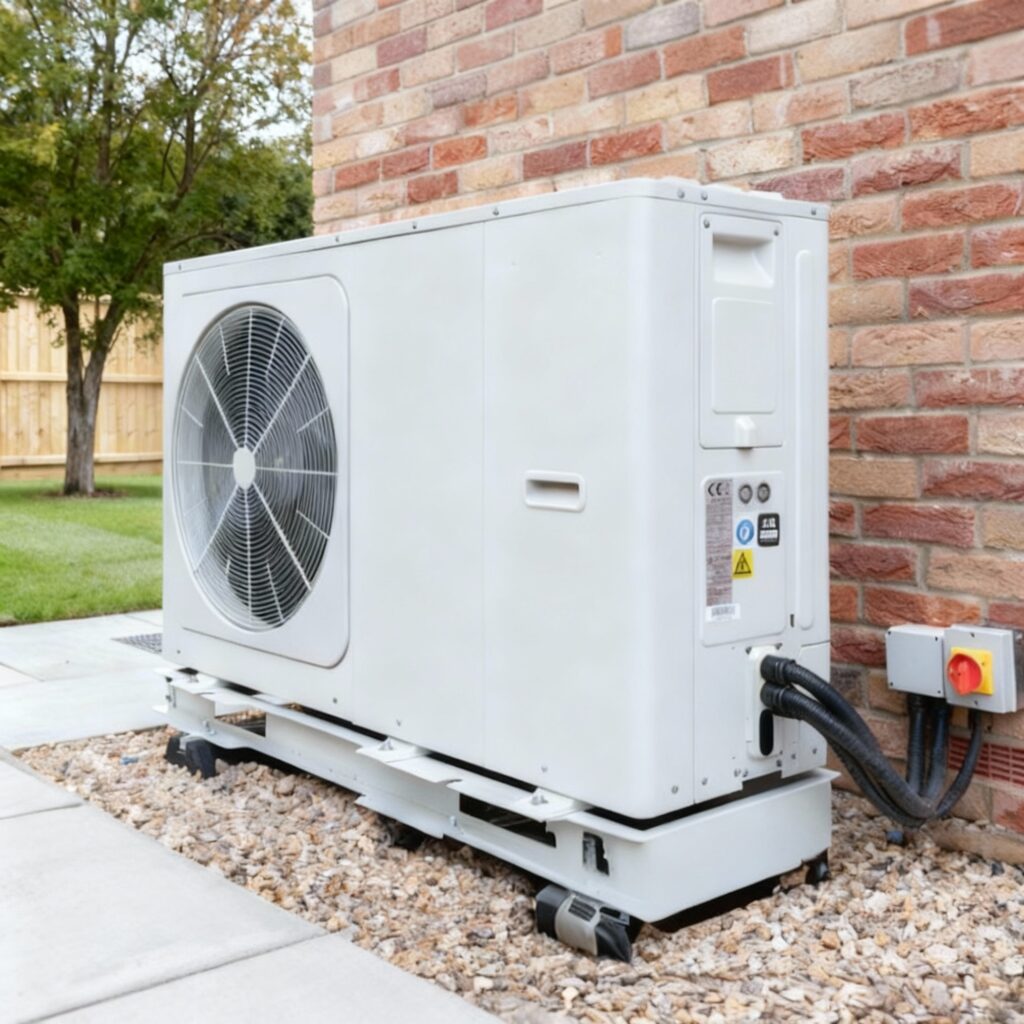
Why Cold-Climate Heat Pumps Actually Work in Winnipeg Winters
If you’ve heard that heat pumps fail once the mercury dips below freezing, that may have been true for older models. But modern cold-climate air-source heat pumps (ccASHP) are engineered for Canadian winters. Some are tested to perform reliably in outdoor temperatures down to –30 °C.
What makes the difference:
The refrigerant and compressor are optimized for low-temperature heat extraction — so they can still “pull” usable warmth out of brutally cold air.
Independent assessments have shown that ccASHPs can maintain heating capacity and acceptable indoor comfort even at outdoor temperatures of –21 °C or colder.
While backup heat might still be part of the system design for extreme cold events, many homeowners see consistent performance across the bulk of winter — which is why these units are becoming common in Manitoba.
In short: cold-climate heat pump technology has matured. What used to be a gamble now works reliably in Winnipeg winters — which is why more homes are making the switch.
Heat Pumps Use Electricity in a Smarter Way Than Furnaces Do
Electric furnaces create heat inside your home by running power through resistance coils, which is simple but energy-heavy. A heat pump takes a different approach by moving heat that already exists outdoors, rather than producing it from scratch.
How the two systems compare in plain terms:
Electric furnaces make heat by forcing electricity through metal coils.
Heat pumps absorb heat from outside air and carry it indoors using refrigerant.
Moving heat takes less power than creating it.
That difference lets a heat pump deliver more warmth from the same electricity an electric furnace burns quickly, which explains why they’re gaining attention across Manitoba.
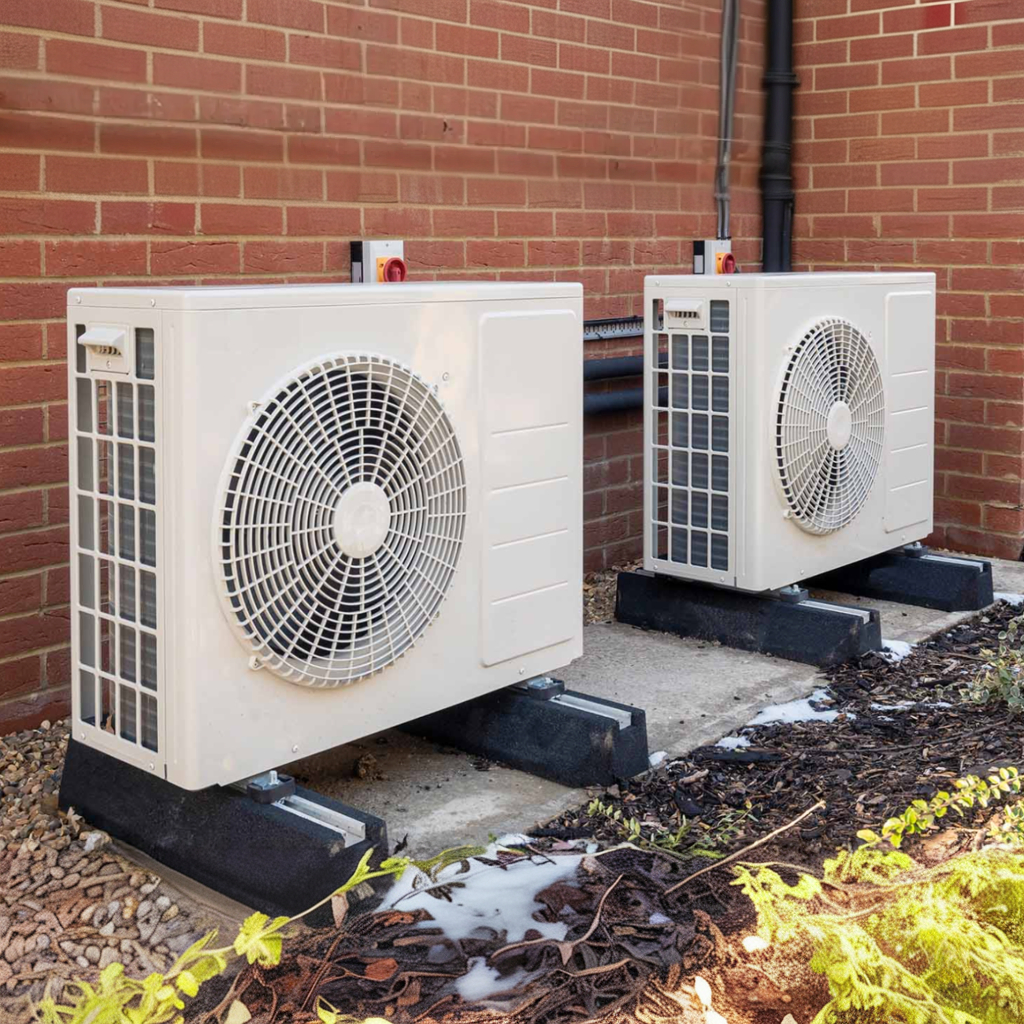
When a Heat Pump and a Furnace Make a Good Team
In some Winnipeg homes, a heat pump is teamed up with an existing furnace for what is known as a dual-fuel system. The heat pump handles heating during milder weather when it works most efficiently. Once temperatures dip well below freezing, the furnace steps in to help maintain comfort.
How a dual-fuel system shares the work:
The heat pump covers the majority of the heating season.
The furnace provides backup during extreme cold snaps.
This paired approach makes heat pumps practical for Manitoba’s climate because each system does what it is best suited for.
What to Think About Before Switching to a heat pump
Switching from an electric furnace to a heat pump changes how your home uses electricity. Instead of paying for resistance heating, you are using power to move heat into the house — a shift that usually lowers costs over time. For most homeowners, it comes down to choosing equipment sized correctly for the space and installed by someone who understands cold-climate performance.
Before making the switch, consider:
Whether your heat pump needs backup heat for extreme cold
If rebates or incentives can lower the upfront cost
Whether your current electrical system is ready for the upgrade
Once those details are clear, the decision often becomes simple — a heat pump delivers more heat from every dollar spent on electricity.
How CountryPro Handles Heat Pumps
A heat pump isn’t a magic solution for every home, but it does change the way we think about heating. It can work as the primary system for many houses or share the workload with an existing furnace to reduce operating costs.
Every home is built differently, and the best setup depends on insulation, the age of the furnace, and how cold your house runs in winter. If you’re curious about whether a heat pump could lower your heating costs: CountryPro can take a look and help you decide what system makes sense for your space.